How to Manage Your Student Finances Effectively in Denmark
Understanding the Cost of Living
Before embarking on your studies, it’s crucial to understand the cost of living in Denmark, which can vary significantly depending on your location and lifestyle choices. The capital, Copenhagen, is generally more expensive than other cities like Aarhus or Odense. Here’s a closer look at what you can expect in terms of monthly expenses:
- Accommodation: Rent typically ranges from 4,000 to 8,000 DKK per month, with utilities often included.
- Food: Budget between 2,000 to 3,000 DKK monthly for groceries.
- Transport: Expect to spend around 400 DKK per month.
- Insurance: Approximately 200 DKK monthly is advisable for health insurance.
- Books and Supplies: Allocate about 300 to 600 DKK per month.
- Mobile Phone: Costs are approximately 150 DKK, with internet around 250 DKK which may be included in your rent.
- Entertainment and Personal Expenses: Budget around 1,500 DKK monthly for leisure activities.
Banking in Denmark
Opening a Danish Bank Account
A local bank account is a crucial step for international students. To do this, you must first obtain a Danish CPR number (Civil Registration Number). A local bank account makes managing your finances much easier, eliminating the need for international transfer fees. It’s advisable to compare institutions to find one that offers reasonable service fees and conveniences tailored for students.
Setting Up a “Nemkonto”
After establishing your bank account, registering it as a “Nemkonto” (easy account) with the Danish tax authorities is essential. This enables direct payments from various public authorities, including salary transfers, tax refunds, and other relevant financial transactions. Your bank will provide additional guidance on how to set up this account.
Tuition Fees and Funding Options
Tuition Fees
Tuition fees in Denmark vary depending on the student’s nationality and specific conditions:
- Free Education: Students from the EU/EEA countries and Switzerland can study for free at Danish institutions.
- Exchange Programs: Students participating in recognized exchange programs are usually exempt from tuition fees.
- Non-EU/EEA Students: These students are required to pay tuition fees, which vary substantially depending on the institution and program selected.
For the most accurate tuition details, check with the specific institution you are planning to attend.
Scholarships and Financial Aid
Exploring scholarship opportunities is essential, particularly for non-EU/EEA students. Various scholarships are available that can significantly ease the financial burden. Many universities offer scholarships for international students based on merit or need.
Budgeting Tips
Track Your Expenses
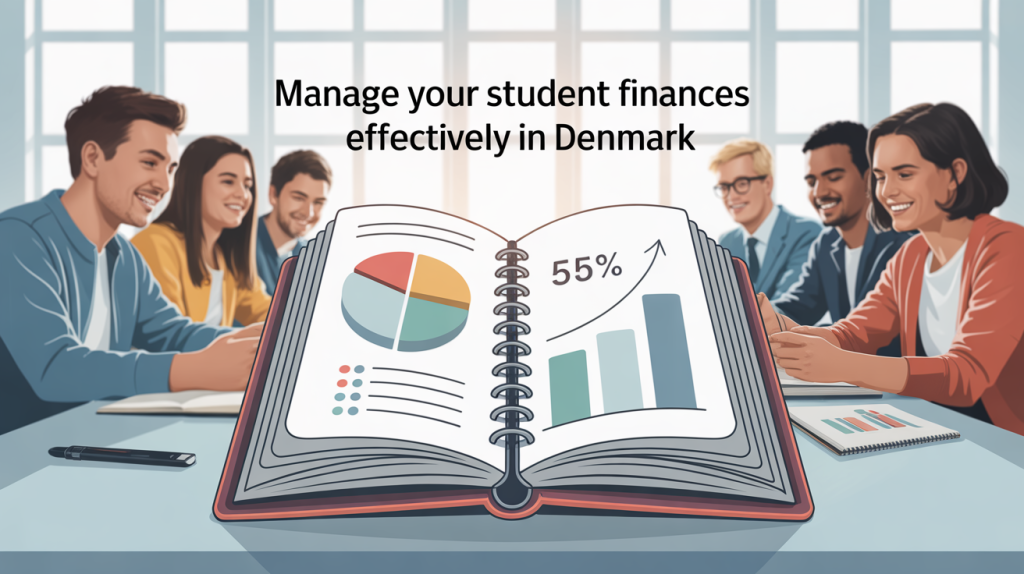
Creating a detailed budget is crucial for financial monitoring. Ensure to track both your income and expenses methodically. As established earlier, the average monthly expenditure for a student could range between 8,000 to 12,000 DKK. Using budgeting apps or spreadsheets can help you maintain a clear view of your financial situation.
Save on Daily Expenses
Cutting down on daily expenses can considerably enhance your financial situation:
- Food: Cooking at home rather than eating out can save a significant amount. A meal at a restaurant costs around 300 DKK, while buying ingredients from supermarkets can be much cheaper.
- Transportation: Cycling is popular in Denmark and purchasing a second-hand bicycle can be a cost-effective solution, typically ranging from 500 to 2,000 DKK.
- Entertainment: Utilize student discounts for movie tickets, which are around 150 DKK, and check for discounts at local clubs and events.
- Beverages: Buying drinks from supermarkets is more economical than ordering at bars, with prices ranging from 15 to 30 DKK compared to 50 to 70 DKK.
Planning for Unexpected Expenses
Establishing an emergency fund can provide a financial cushion for unexpected costs. Whether it’s a medical emergency or an unforeseen travel expense, having a safety net is crucial. Additionally, winter months in Denmark can lead to increased utility bills, which are additional expenses to account for in your financial planning.
Conclusion
Managing your student finances in Denmark requires careful planning and awareness of your expenditures. By understanding the cost of living and adopting effective budgeting strategies, you can navigate your financial responsibilities with ease.
At Study in Denmark, we are dedicated to supporting international students through their academic journeys. Whether you need assistance with finding the right educational institution, understanding financial requirements, or navigating the local culture, our platform offers tailored services to help you succeed in Denmark.
Take the Next Step with Study in Denmark
Explore further to make the most of your academic experience in Denmark. Get started today!