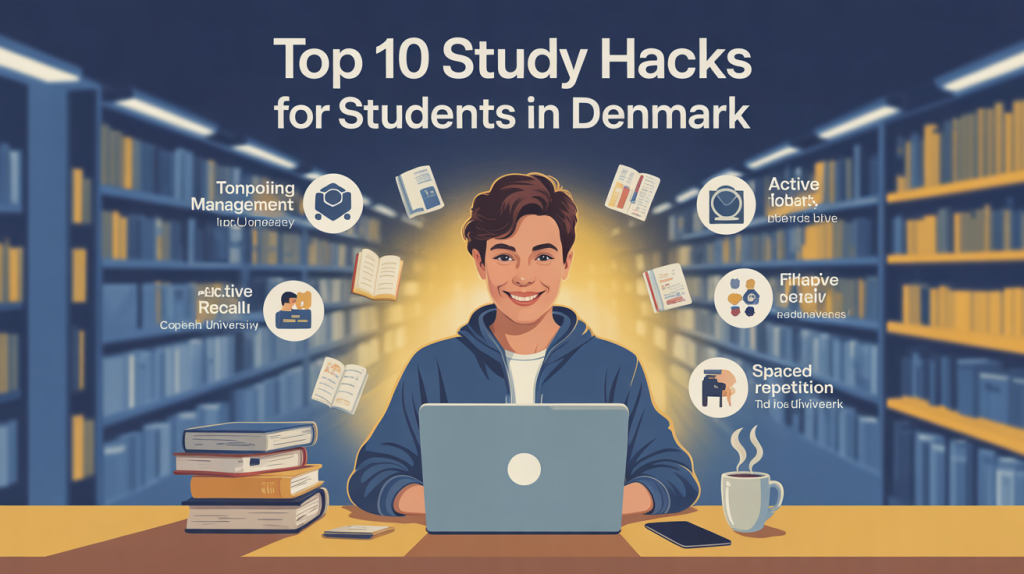
Top 10 Study Hacks for Students in Denmark
Quick Navigation
- 1. Embrace Problem-Based Learning
- 2. Connect with the Community
- 3. Practice “Hygge” for Well-being
- 4. Stay Organized and Manage Time Well
- 5. Take Advantage of Free and Open Educational Resources
- 6. Develop Strong Communication Skills
- 7. Adapt to a Collaborative Learning Culture
- 8. Balance Study and Leisure
- 9. Leverage Digital Learning Tools
- 10. Seek Guidance and Support When Needed
- Conclusion
- Take the Next Step with Study in Denmark
1. Embrace Problem-Based Learning
Denmark is renowned for its focus on problem-based learning (PBL), an approach that encourages students to actively engage in real-world challenges.
Key Benefits of PBL:
- Critical Thinking: Students develop the ability to analyze and evaluate problems critically.
- Collaboration Skills: Working in teams fosters collaboration, an essential skill in the workforce.
- Creativity: PBL encourages innovative thinking through hands-on projects.
Action Steps:
- Engage actively in your group projects and case studies.
- Seek to understand the underlying problems rather than just the solutions.
By embracing this approach, students can better prepare for future professional environments, making their education in Denmark a valuable investment.
2. Connect with the Community
Student life in Denmark is not just about academics; it thrives on social connections. Building a network can enrich your educational experience significantly.
How to Build Connections:
- Attend University Events: Participate in student fairs, lectures, and networking events.
- Join Student Associations: Engage with groups both culturally and academically to meet like-minded individuals.
Benefits:
Creating a support system may improve your academic performance and mental well-being. Connecting with peers from diverse backgrounds enhances cultural understanding and can lead to lasting friendships.
3. Practice “Hygge” for Well-being
Incorporating the Danish concept of hygge into your daily routine can significantly impact your study habits and overall well-being.
What is Hygge?
Hygge is about creating a cozy, comfortable atmosphere that cultivates contentment and wellness.
Tips to Implement Hygge:
- Design a study environment that is comfortable and inviting.
- Take breaks to enjoy small pleasures, such as warm drinks or quiet moments of reflection.
Prioritizing your mental and physical health ensures you stay focused and balanced during your studies.
4. Stay Organized and Manage Time Well
One of the unique aspects of studying in Denmark is the flexible course structure, which places the responsibility for time management on students.
Time Management Tips:
- Use Planners: Keep a digital or physical planner to track assignments and deadlines effectively.
- Break Tasks into Steps: Divide assignments into manageable chunks to avoid feeling overwhelmed.
Advantages:
Effective time management can lead to increased productivity and reduced stress levels. By adopting these organizational strategies, students can ensure that they meet academic expectations while maintaining a healthy work-life balance.
5. Take Advantage of Free and Open Educational Resources
Denmark offers an array of government-funded educational resources, making quality education accessible for students.
Available Resources:
- University Libraries: Utilize extensive library collections and study spaces.
- Research Databases: Access various academic materials for learning and projects at no cost.
Why Utilize These Resources:
Leveraging these resources can enhance your learning experience and minimize educational costs. As you navigate your studies, these resources can provide invaluable support for your academic endeavors.
6. Develop Strong Communication Skills
Active participation in Danish classrooms is essential. Strong communication skills are highly valued and can significantly contribute to a student’s academic success.
Tips for Improvement:
- Engage in Seminars and Discussions: Be prepared to share your ideas and listen to others.
- Practice Presentations: Make use of opportunities to present in front of classmates to build confidence.
Impact on Studies:
Effective communication can facilitate better teamwork and collaboration in group projects, key components of the Danish educational experience.
7. Adapt to a Collaborative Learning Culture
Collaboration is central to the academic culture in Denmark, and students are often expected to work together on various projects.
Ways to Foster Collaboration:
- Learn to appreciate diverse perspectives and respect team dynamics.
- Share your ideas freely and encourage input from peers.
Outcome:
Successfully adapting to this collaborative culture will prepare you for the realities of professional environments where teamwork is often essential.
8. Balance Study and Leisure
Balancing academic work with leisure activities is crucial for maintaining a healthy lifestyle and academic success.
Leisure Activities to Consider:
- Participate in Sports: Join university sports teams or local clubs.
- Explore Cultural Events: Engage with music festivals, art exhibitions, and community activities.
Benefits of Balance:
Maintaining this balance can help recharge your mind and reduce stress, making you more effective in your studies.
9. Leverage Digital Learning Tools
As part of the shift towards modern education, many Danish universities utilize digital learning tools to enhance the learning experience.
Recommended Tools:
- Learning Management Systems: Familiarize yourself with your university’s platform for lectures and assignments.
- Apps for Collaboration: Use collaborative tools to stay connected with classmates on group projects.
Key Advantage:
Being proficient in these digital tools can streamline your educational processes and improve your overall academic performance.
10. Seek Guidance and Support When Needed
Understanding that seeking help is a strength, not a weakness, can be transformative for international students.
Available Support Services:
- Counseling Services: Universities often provide mental health support tailored for international students.
- Study Workshops: Attend workshops that focus on enhancing research and academic skills.
Importance of Support:
Don’t hesitate to utilize available resources to overcome academic or personal challenges. This approach not only helps you achieve your academic goals but also fosters personal growth.
Conclusion
Studying in Denmark offers a myriad of opportunities for personal and academic development. By implementing these Top 10 Study Hacks, students can navigate their studies more effectively and immerse themselves fully in the rich educational culture Denmark has to offer.
For international student recruiters, university admissions teams, and agencies involved in student placement or education technology, understanding these hacks can enhance the services offered to students. If you’re interested in partnering with Study in Denmark to facilitate the international education process or seek further advice on student experiences, we invite you to contact us today. Let’s work together to help students thrive in Denmark!
Take the Next Step with Study in Denmark
Explore further opportunities to enhance your education and life in Denmark with our tailored resources.