How to Find the Best Student Accommodation in Denmark
Types of Student Accommodation
When looking for accommodation in Denmark, you’ll typically encounter three main types: student halls of residence, private rentals, and shared apartments. Each option has its unique advantages and disadvantages.
Student Halls of Residence (Kollegier)
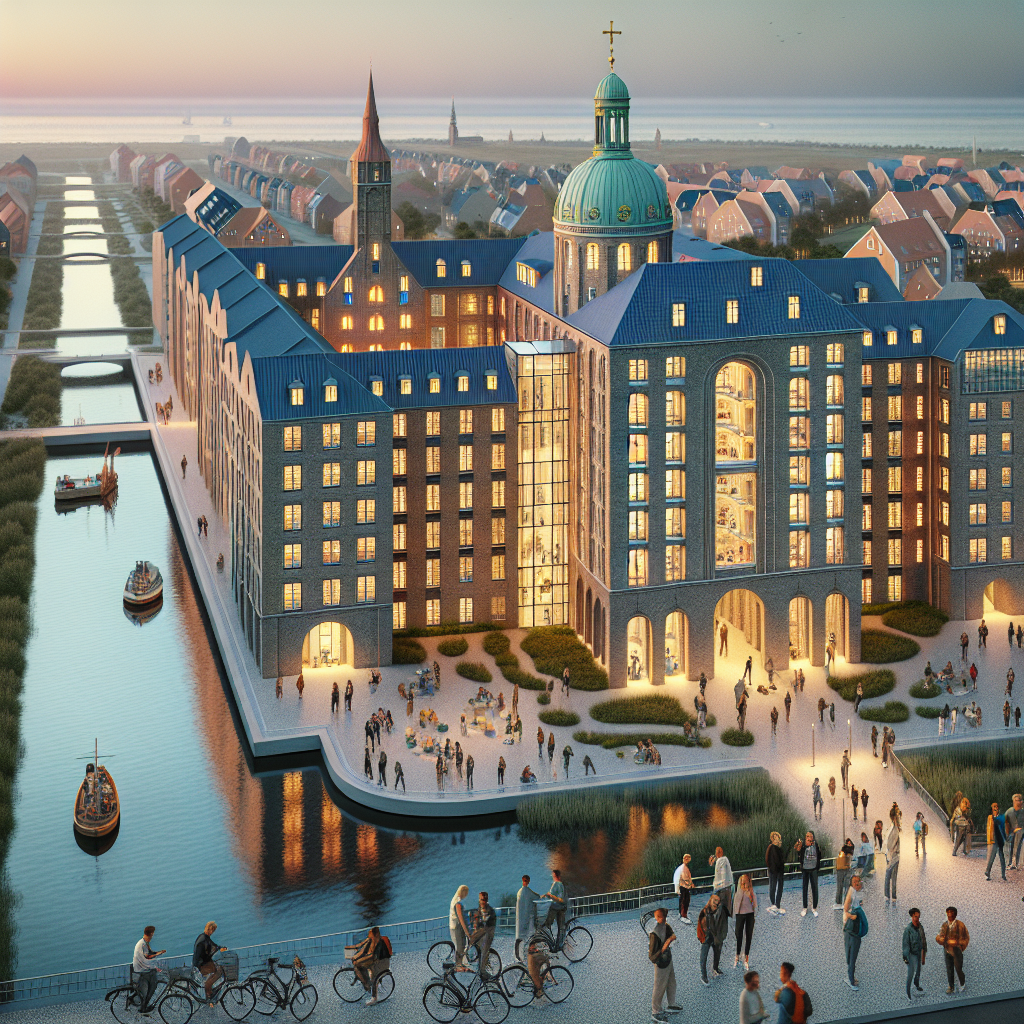
Overview: Halls of residence are particularly popular among international students, especially those new to Denmark. They foster a communal environment that facilitates social interaction. Each student usually has a private room, while kitchen and bathroom facilities may be shared.
Cost: Generally more affordable than private rentals.
Best For: New international students who want to socialize and integrate quickly into student life.
Private Rentals
Overview: Renting a room or an entire apartment from a Danish landlord or subletting from a current student is common. Private rentals provide a higher level of independence.
Cost: Usually more expensive than student halls of residence. Availability may vary widely based on the city and neighborhood.
Best For: Students seeking more privacy, often familiar with the Danish housing market or those comfortable navigating it.
Shared Apartments
Overview: Sharing an apartment with other students is an economical and social option. You will typically have your own room while sharing common areas like the kitchen and living room.
Cost: Moderate, depending on location and number of flatmates.
Best For: Budget-conscious students looking for a more social living situation.
When to Start Your Search
It is wise to begin your accommodation search as soon as you receive your acceptance letter from your Danish institution. The optimal timeframe is several months before your planned arrival. Keep in mind that demand spikes during August and September, making last-minute searches difficult and potentially costly.
Steps to Find Accommodation
Finding accommodation in Denmark involves several strategic steps to ensure a smooth transition into your new life.
1. Contact Your Host Institution
Once accepted into a Danish university or college, reach out to them for information and guidance on housing options. While most universities do not provide on-campus accommodation, they can offer valuable advice and refer you to housing associations or trusted private landlords.
2. Explore All Options Early
Investigate availability in student halls, browse private rental listings, and consider shared apartments. Early application to waiting lists can be beneficial, especially for popular accommodations.
3. Prepare for Independent Living
Regardless of the accommodation type you choose, be prepared for independent living. This means taking responsibility for daily tasks such as cooking, cleaning, and laundry, as most student housing does not include meal plans or cleaning services.
Additional Tips for Success
Don’t Travel Without a Reservation
Avoid arriving in Denmark without secured accommodation, especially during peak seasons. Temporary housing can be both costly and challenging to find.
Look Beyond City Centres
Housing in central areas—especially in major cities such as Copenhagen and Aarhus—is highly sought after and can be significantly more expensive. Consider options in the suburbs, which often provide a more affordable solution and are well-connected by public transportation.
Stay Alert to Housing Scams
Only arrange accommodation through reputable sources or recommendations from your host institution. Do not send money to unverified individuals or listings.
Summary Table: Types of Accommodation
| Accommodation Type | Features | Typical Cost | Best For |
|---|---|---|---|
| Hall of Residence | Private room, shared kitchen/bath, social life | Lower | New international students |
| Private Rental | Private room/apartment, more independence | Higher | Students seeking privacy |
| Shared Apartment | Own room, shared common spaces | Moderate | Socially-oriented students |
Key Advice
“To maximize your chances of finding suitable accommodation, start looking months before your arrival. It can be difficult to secure a place just before the semester begins. We strongly recommend contacting your Danish host institution immediately after acceptance for housing information.”
Conclusion
Finding the best student accommodation in Denmark requires early planning, research, and an understanding of the various types of housing options available. By following the steps outlined in this guide and taking advantage of resources provided by your host institution and Study in Denmark, you can ensure a smoother transition into your new home.
Take the Next Step with Study in Denmark
Explore further to make your accommodation search easier and more efficient.