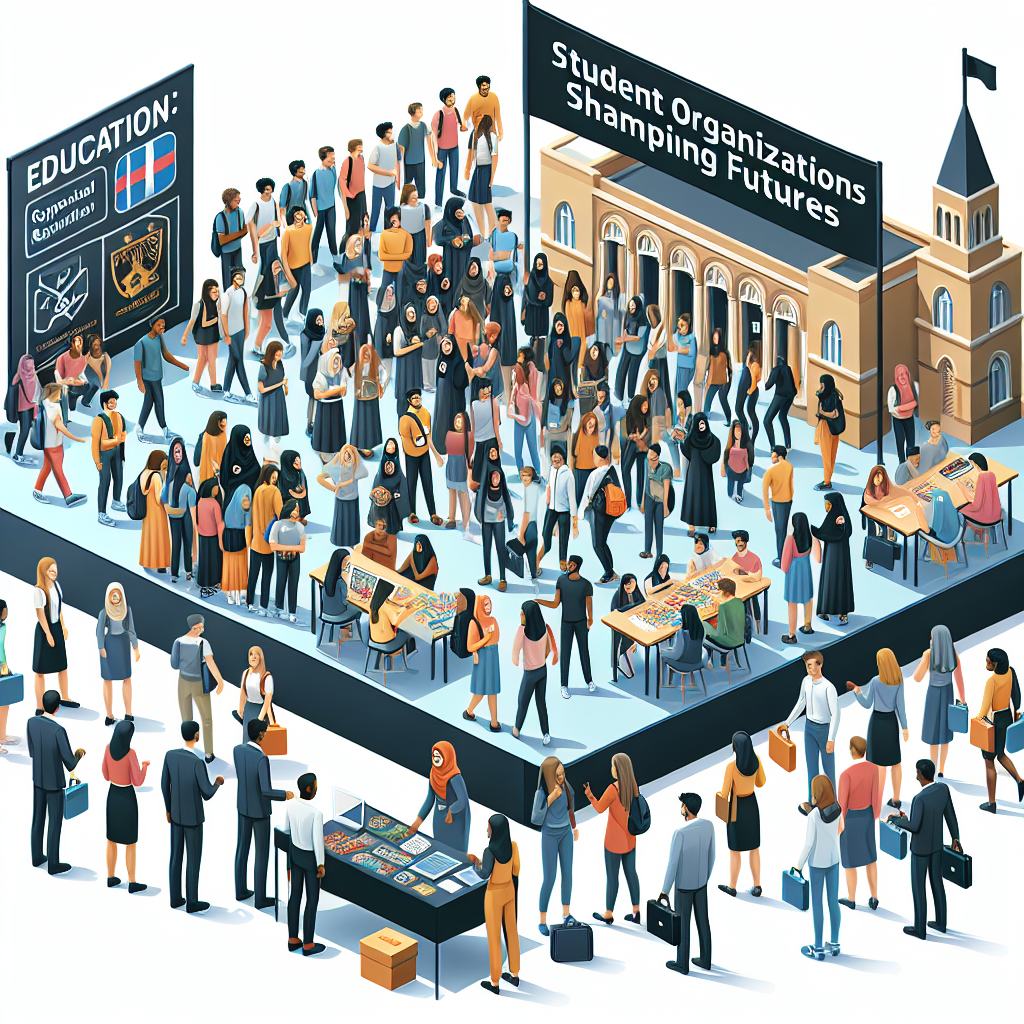
The Crucial Role of Student Organizations in Enhancing International Education in Denmark
- Understanding the Role of Student Organizations in Danish Universities
- Academic Support and Professional Development
- Social Integration and Cultural Exchange
- Sustainability and Social Responsibility
- Networking and Personal Growth
- Political Representation and Advocacy
- Entrepreneurship and Innovation
- The Holistic Impact of Student Organizations
- Conclusion
- Take the Next Step with Study in Denmark
Understanding the Role of Student Organizations in Danish Universities
Student organizations in Denmark encompass a diverse range of groups centered around academics, culture, sustainability, advocacy, and social interaction. These organizations create a vibrant community for both domestic and international students, fostering an inclusive atmosphere that enhances the overall educational experience.
Academic Support and Professional Development
Enhancing Academic Experiences
Many student organizations are dedicated to supporting academic excellence. They provide workshops, seminars, and peer support tailored to help members achieve their educational goals. For instance, the Polyteknisk Forening (PF) at the Technical University of Denmark (DTU) operates as both an academic and social organization. PF ensures that students influence their education while hosting platforms for study groups and events, facilitating collaborative learning experiences.
Career-Oriented Initiatives
Career development is another crucial aspect where student organizations shine. Groups such as the Copenhagen Management Consulting Club at DTU equip students with industry-relevant skills, focusing on networking, problem-solving, and leadership abilities. These initiatives are vital for students preparing for competitive job markets, ensuring they have the competencies employers seek.
Innovation and Entrepreneurship
Organizations like DANSIC (Danish Social Innovation Club) and Venture Cup play a significant role in nurturing an entrepreneurial mindset among students. They connect budding entrepreneurs with opportunities to work on innovative projects, honing their business skills and encouraging creativity—a fundamental aspect of the educational ethos in Denmark.
Social Integration and Cultural Exchange
Fostering Community Among International Students
Integrating into a new culture can be challenging for international students. Danish universities often implement buddy and mentor programs to aid this transition. For example, the University of Copenhagen's QA Programme connects new students with peers and mentors, facilitating understanding of Danish culture and university life. These frameworks are vital in promoting social cohesion among diverse student bodies.
Celebrating Cultural Diversity
Student organizations actively celebrate cultural diversity by hosting cultural exchange societies and events. Initiatives include international food festivals and cross-cultural dialogues, effectively bringing global traditions to campus. This exposure fosters mutual understanding and enriches the academic environment, allowing students to learn from one another's backgrounds.
Sustainability and Social Responsibility
Environmental Advocacy
Sustainability is a hot topic among younger generations, and many Danish student organizations reflect this concern. Groups like the KU Green Student Society and oikos Copenhagen engage students in discussions around critical environmental issues. They advocate for actionable insights regarding the climate crisis and encourage fellow students to adopt sustainable practices, contributing to a culture of responsibility.
Addressing Social Issues
Organizations such as SIMA and actory, based at the University of Copenhagen, emphasize students' roles in tackling pressing societal issues such as social inequalities and climate change through interdisciplinary collaboration. These student-led initiatives empower learners to become active participants in implementing social change.
Networking and Personal Growth
Social and Networking Events
Social interaction is crucial for personal and professional development. Student organizations host a variety of events, including quiz nights, seminars, and hobby clubs, which foster connections among students. The Studenterhuset at the University of Copenhagen serves as a central hub, providing a space where students can socialize, receive academic guidance, and engage in cultural activities.
Sports and Recreation
In addition to academic and social events, many organizations promote physical activity through sports clubs and recreational groups. Initiatives like S-Huset at DTU encourage fitness and camaraderie among students, enhancing not only their physical well-being but also their social networks.
Political Representation and Advocacy
Student Councils
Advocacy is another vital role that student organizations undertake. Groups like Danske Studerendes Fællesråd (DSF) represent students’ interests on a national scale, addressing key issues such as education policy, housing, and financial support. Their advocacy efforts ensure that student voices are heard in policy-making processes.
Sector-Specific Engagement
Some organizations also focus on sector-specific representation, engaging with academic discourse in areas like economics. Groups such as Kritiske Politter advocate for reforms and foster dialogue on educational practices specific to their fields.
Entrepreneurship and Innovation
Specialized Clubs
The entrepreneurial spirit is alive in Denmark, particularly among student organizations. Groups such as META at the University of Copenhagen encourage collaboration across disciplines, facilitating idea exchanges between students in medicine, engineering, and sciences. Meanwhile, the DTU Alt Protein Project promotes sustainability through innovative food solutions, showcasing the ingenuity and commitment of student-led initiatives to drive change.
The Holistic Impact of Student Organizations
Participation in student organizations not only enhances academic profiles but also equips students with essential life skills. The ability to network, engage in community service, advocate for inclusivity, and foster innovative thinking presents profound benefits for personal and professional development. These organizations embody the holistic approach to education that is characteristic of Danish universities, contributing significantly to the enriched academic ecosystem.
By leveraging their involvement in these organizations, students cultivate lasting friendships and actively contribute to meaningful societal changes, preparing them for global citizenship in an interconnected world.
Conclusion
As the landscape of international education evolves, the significance of student organizations in Denmark comes to the forefront. They not only enhance academic experiences but also promote inclusivity, sustainability, and personal growth. For international student recruiters, university admissions teams, and agencies focused on student placement, understanding the vital role of these organizations is key to attracting and supporting students seeking to study in Denmark.
At Study in Denmark, we recognize the importance of holistic student support through our expertise in education and international recruitment. We invite potential partners and stakeholders to join us in fostering an enriching study environment for international students. Contact us to learn more about our services and explore how we can collaborate to enhance the educational experiences of students in Denmark.
Take the Next Step with Study in Denmark
Explore further to enhance your educational journey: