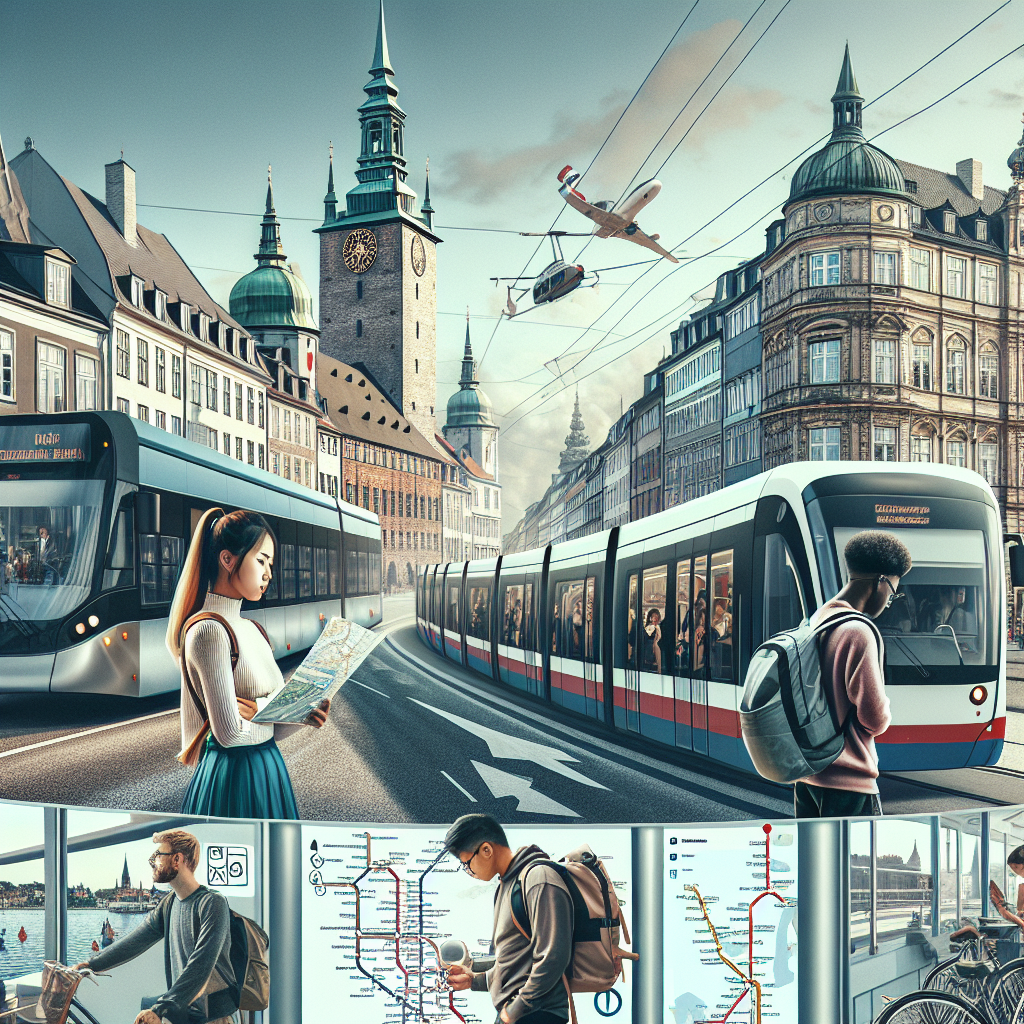
A Guide to Denmark's Public Transportation for Students
Quick Navigation
- Key Modes of Public Transportation
- Fare Options and Discounts
- Tips for Public Transportation in Denmark
- Why Public Transit is Ideal for Students
- Conclusion
Key Modes of Public Transportation
Denmark's transportation infrastructure includes trains, buses, metro systems, and an impressive cycling culture, particularly prominent in cities like Copenhagen and Aarhus. Understanding these options will empower students to make informed travel decisions.
1. Trains
- Nationwide Network: Operated by DSB (Danske Statsbaner), Denmark's train system connects cities and towns effectively. Known for its punctuality and reliability, the train network is a crucial component of daily commuting.
- Rejsekort: This rechargeable travel card can be used across various transport modes, including trains, buses, and metro systems. It simplifies travel, allowing students to focus on their academic journey rather than ticket logistics.
- Regional and City Trains: Regional trains serve the suburbs and neighboring towns, while city trains (like the S-trains in Copenhagen) offer efficient service within metropolitan areas, making these options indispensable for students living outside city centers.
2. Metro
The Copenhagen Metro operates 24/7, with trains arriving every 2-4 minutes during peak hours and less frequently at night. Each metro line integrates seamlessly into the city's public transport zones, allowing easy fare transitions across different transport modes. Tickets and the Rejsekort can be utilized across this network.
3. Buses
Buses connect all cities and rural areas, filling in the gaps where train and metro services may not reach. Operators like Movia ensure comprehensive coverage throughout the country.
- In Copenhagen, buses are categorized into A-buses and S-buses. A-buses serve a larger number of stops, while S-buses provide faster service with fewer stops, catering to different commuter needs.
4. Cycling
Denmark is renowned for its cycling infrastructure, with dedicated bike lanes available in most urban areas. Renting bicycles for daily or weekly use is common among students. Embracing cycling not only promotes health and well-being but also aligns with Denmark's sustainability ethos, making it a popular choice for environmentally conscious students.
Fare Options and Discounts
Understanding the various fare systems and discounts available can significantly reduce transportation costs for students in Denmark.
1. Tickets and Passes
- Single Tickets: Valid for one hour within designated zones, these tickets can be purchased on local buses or at metro and train stations.
- 24-72 Hour Pass: This option allows unlimited travel across all zones for 1-3 days, ideal for short academic breaks and weekend explorations.
- Periodekort (Monthly Pass): Ideal for frequent commuters, this pass is valid for 30 days and requires a passport-sized photo for issuance.
2. Rejsekort
The Rejsekort is not only convenient but also cost-effective, as it calculates fares based on the distance traveled. Students can easily top it up and manage their travel expenses through online applications.
3. Ungdomskort (Youth Card)
This card is specifically designed for students aged 16-25 or those enrolled in higher education institutions. It offers considerable daily travel discounts, costing around 125-150 DKK annually, depending on student status.
4. DSB Youth Card
For students primarily using trains, the DSB Youth Card offers up to 50% discounts on regular fare prices, further facilitating affordable travel for young scholars.
Tips for Public Transportation in Denmark
To maximize the benefits of Denmark’s public transport, consider the following tips:
- Plan Your Routes: Utilize Denmark's Journey Planner app or the DSB app to check schedules and plan your travels efficiently. This can help avoid unnecessary delays and lost time.
- Understand the Zones: Familiarize yourself with the zone system to ensure you purchase the correct tickets. Traveling through the wrong zone may lead to fines, which can easily be avoided with a little preparation.
- Renew Passes Timely: For important long-term passes like the Commuter Card or the Ungdomskort, timely renewal is essential to maintain uninterrupted travel.
- Combining Cycling and Public Transit: Many trains allow bicycles for a small fee, letting students effectively combine cycling and train travel.
Why Public Transit is Ideal for Students
- Cost-Effective: With discounted options such as the Ungdomskort and regular travel passes, public transportation remains accessible and affordable for students managing tight budgets.
- Eco-Friendly: Denmark’s commitment to sustainability is reflected in its well-maintained public transport and extensive cycling lanes. This eco-conscious approach offers students a chance to contribute positively to the environment.
- Convenient: The integration of buses, trains, and metro services ensures that students can easily access universities, essential services, and cultural attractions across the country.
Conclusion
Navigating public transportation in Denmark can initially seem overwhelming for international students. However, with this guide, we hope to empower students to take advantage of the comprehensive transport network.
At Study in Denmark, we are dedicated to supporting international students from application to arrival and beyond. If you wish to partner with us for recruitment or want to get more personalized insights into studying and living in Denmark, please don't hesitate to contact us. Together, we can facilitate a fruitful academic journey for students exploring Denmark’s vibrant educational landscape.
Take the Next Step with Study in Denmark
Explore the opportunities that await you in Denmark and enhance your educational experience today!