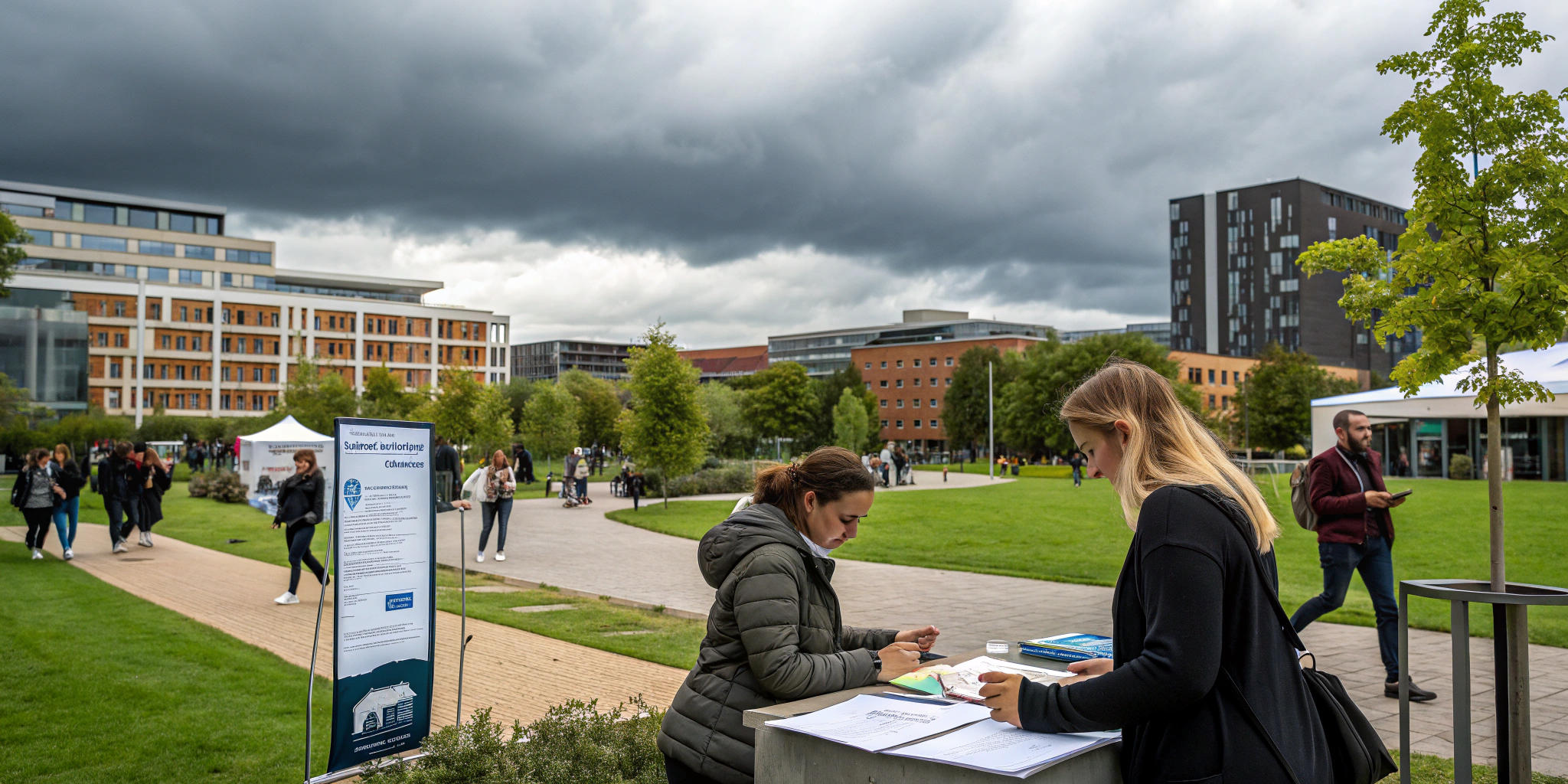
How to Secure a Part-Time Job on Campus in Denmark
Quick Navigation
- Types of Part-Time Jobs Available
- Benefits of Part-Time Work
- Eligibility and Work Regulations
- How to Find Part-Time Jobs on Campus
- Practical Steps to Begin Working
- Taxation
Types of Part-Time Jobs Available
Navigating the job market as a student can seem daunting, but numerous opportunities exist that cater specifically to the needs of students. The most common part-time jobs available include:
- Student worker positions: Often related to your field of study, providing relevant experience.
- Service sector jobs: Positions in cafés, hotels, and restaurants with flexible hours.
- Administrative roles: Opportunities in various university departments, libraries, and cafeterias.
- Temp jobs through agencies: Short-term roles through staffing agencies for added flexibility.
Most student jobs offer flexible hours, typically ranging from 10 to 20 hours per week, allowing you to balance work and studies effectively.
Benefits of Part-Time Work
Taking on part-time employment during your studies in Denmark can yield numerous benefits, including:
- Financial Support: Earning an income to help manage living expenses.
- Relevant Work Experience: Enhancing your CV and attractiveness to future employers.
- Professional Networking: Establishing valuable professional connections.
- Improved Job Prospects: Increasing employability in the local job market.
Eligibility and Work Regulations
Before embarking on your job search, it's crucial to understand the eligibility criteria and work regulations for international students:
- Work Hours:
- EU and Nordic citizens: Up to 37 hours per week during the semester.
- Non-EU/EEA citizens: 90 hours per month during the academic year, full-time in June, July, and August.
- Work Permit: Most international students require a work permit, typically included with your residence permit. Nordic citizens do not need a work permit.
- Legal Compliance: Strict adherence to permitted work hours is necessary to avoid fines or deportation.
How to Find Part-Time Jobs on Campus
Securing a part-time job on campus can be approached through several effective strategies:
- University Career Centers: Your best resource for on-campus job opportunities with job boards and databases.
- Direct Inquiries: Contact university departments, libraries, and cafeterias about unadvertised openings.
- Networking: Build relationships with professors and staff who can know about available roles.
Practical Steps to Begin Working
Here's a step-by-step guide to starting your part-time job in Denmark:
- Secure a Work Permit: Confirm your residence permit grants work rights.
- Register with Tax Authorities: Obtain an electronic tax card from SKAT to avoid high tax rates.
- Prepare Your CV and Application: Adapt to Danish standards, highlighting relevant skills.
- Apply for Positions: Use university job portals and submit applications directly.
- Attend Interviews: Be prepared to discuss your background and skills.
Taxation
It is important to be aware of the tax implications of your part-time work in Denmark. All income earned is subject to Danish taxation, making it crucial to understand your tax obligations from the outset. Securing an electronic tax card is essential for correct income taxation.
Summary Table: Key Points for Securing a Student Job in Denmark
| Aspect | Details |
|---|---|
| Typical Hours | 10-20 hours/week |
| Common Sectors | Academic, service, administration, temp agencies |
| Work Permit | Necessary for most non-Nordic international students |
| Taxation | Electronic tax card required; income is taxable in Denmark |
| How to Find Jobs | University career centers, departmental listings, networking |
| Benefits | Financial support, experience, networking, better job prospects |
Take the Next Step with Study in Denmark
Explore further to enrich your educational experience and enhance your career prospects.