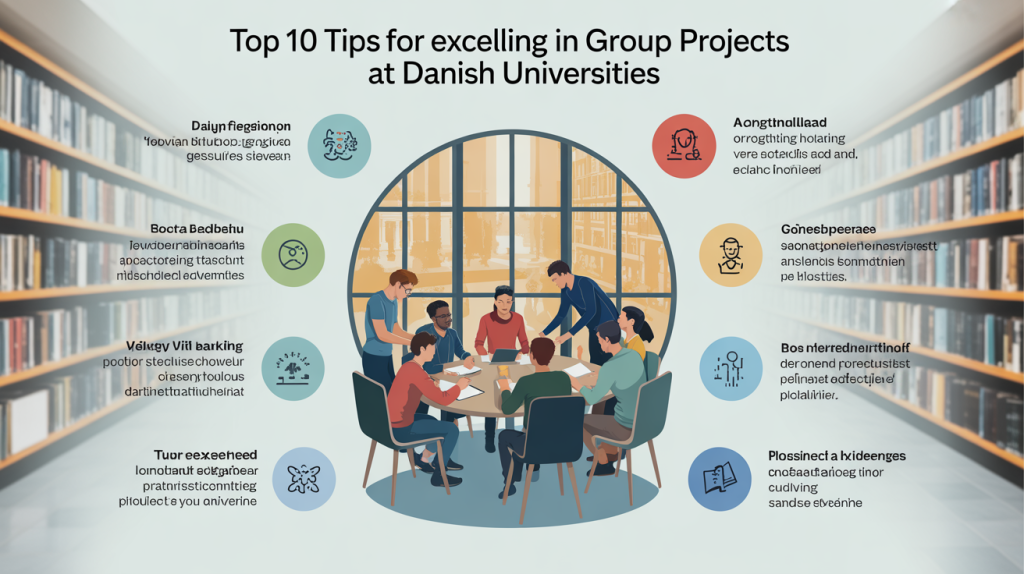
Top 10 Tips for Excelling in Group Projects at Danish Universities
Understanding the Danish Group Work Culture
1. Embrace the Group Work Culture
Group work is not just a pedagogical choice; it is a fundamental part of the Danish academic experience. Many assignments, both formal and informal, are completed in groups, reflecting the collaborative nature of the workplace in Denmark. Engaging fully with your peers enhances not only your academic performance but also your understanding of teamwork, a critical skill sought by employers.
2. Take Initiative and Communicate Openly
The Danish educational environment promotes flat hierarchies and open communication. Don’t hesitate to share your ideas, ask questions, or raise concerns. Open dialogue at the outset will ensure that everyone’s perspective is valued and that potential problems are addressed before they escalate. This proactive communication will facilitate a smoother workflow and foster positive group dynamics.
Effective Group Dynamics
3. Split Responsibilities Fairly
One of the keys to successful group work is the equitable distribution of responsibilities. At the onset of group projects, take the time to discuss and allocate tasks, ensuring that each member understands their role. Regular check-ins will help maintain accountability and motivation among team members, making certain that no one feels overwhelmed by the workload.
4. Set Clear Goals and Deadlines
Establishing clear objectives, deliverables, and deadlines at the beginning of your project is crucial. Not only does this planning prevent last-minute stress, but it also ensures that everyone is aligned on outcomes. Clear goals serve as a roadmap for the duration of the project, simplifying the process and enhancing productivity.
Enhancing Collaboration and Creativity
5. Leverage Informal Learning
In Denmark, casual and informal settings are often conducive to creativity and collaboration. Consider scheduling group meetings in relaxed environments such as cafés or libraries. These informal contexts not only help stimulate innovative ideas but also make the collaborative process more enjoyable, thus strengthening team bonds.
6. Be Respectful and Inclusive
Diversity in student groups is common in Denmark, reflecting various backgrounds and viewpoints. It is vital to foster an inclusive environment where differing opinions are respected. Encourage quieter group members to share their thoughts, as inclusive groups tend to be more creative and effective in problem-solving.
Seeking Support and Continuous Improvement
7. Seek Help When Needed
Danish professors and instructors view student initiative as a vital part of the learning process. If you encounter challenges that your group cannot resolve, do not hesitate to reach out for guidance. Your instructors are approachable and willing to help, ensuring that students have the support they need to succeed academically.
8. Reflect and Adjust
After completing group assignments, engage in a reflective discussion about what went well and areas that could be improved. This practice not only aligns with the Danish educational belief in continuous improvement but also prepares your group for future collaborations. Reflecting on your process will help identify strengths and opportunities for development.
Fostering Team Relationships
9. Balance Academic and Social Interaction
Building rapport within your group can significantly enhance your collaborative experience. Take time to engage with your group members beyond academic discussions—grab a coffee together or enjoy casual conversations. Establishing positive relationships fosters a supportive group dynamic, boosting motivation and productivity.
10. Practice Mutual Accountability
At the very start, agree as a group on how to handle issues related to participation or missed deadlines. Establishing clear expectations and holding each other accountable will ensure a balanced workload, resulting in better outcomes for the entire team.
Conclusion: Succeeding at Danish Universities
These tips for excelling in group projects are pivotal for international students navigating the Danish educational system. The emphasis on collaboration provides unique opportunities for growth, both academically and personally. By integrating these strategies into your group work approach, you prepare yourself not only to succeed in your studies but to develop valuable skills that will benefit you in your future career.
Take the Next Step with Study in Denmark
We invite you to explore further opportunities that can enhance your educational journey in Denmark.