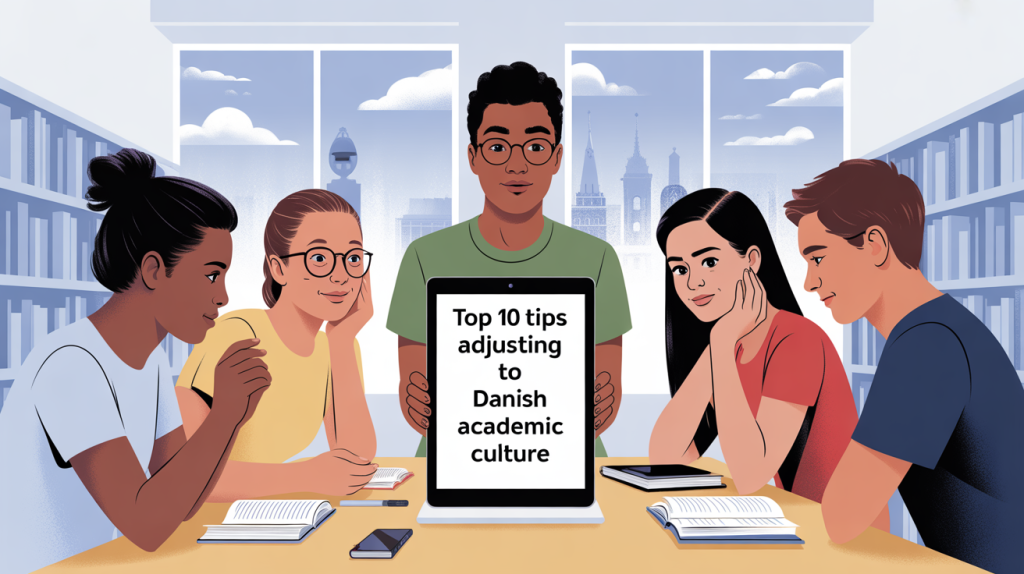
Top 10 Tips for Adjusting to Danish Academic Culture
- Understanding Danish Academic Culture
- 1. Embrace Active Participation
- 2. Practice Critical Thinking
- 3. Get Comfortable with Project Work
- 4. Value Open Debate and Freedom of Speech
- 5. Adapt to a Relaxed but Ambitious Atmosphere
- 6. Take Responsibility for Your Learning
- 7. Build Strong Argumentation Skills
- 8. Get Used to Less Formal Assessment
- 9. Respect Academic Conduct
- 10. Seek Help When Needed
- Call to Action
Understanding Danish Academic Culture
Danish academic culture is characterized by a unique approach to learning that encourages active participation, critical thinking, and collaboration. For international students, adapting to this environment is key to academic success. Below are ten actionable tips to help students acclimate effectively.
1. Embrace Active Participation
One of the essential aspects of Danish academic culture is the emphasis on active participation. Students are encouraged to engage in discussions, ask questions, and provide their insights during lectures and seminars. This interactive learning environment fosters collaboration and the co-creation of knowledge.
Tip: Don’t hesitate to share your thoughts and challenge ideas. Engaging with peers and instructors actively will enrich your learning experience.
2. Practice Critical Thinking
In Denmark, education transcends rote memorization. Students must analyze, evaluate, and form independent opinions on various topics. This critical approach cultivates a deeper understanding of the subject matter.
Tip: Develop your ability to question sources and arguments. Creating clear, reasoned viewpoints will enhance your academic writing and oral presentations.
3. Get Comfortable with Project Work
Collaborative assignments, often conducted in groups, are a staple of the Danish education system. Teamwork is not only common but necessary, offering students the chance to share ideas and manage joint responsibilities.
Tip: Take advantage of group projects to learn from others. Improve your teamwork skills, which are crucial in both academic and professional realms.
4. Value Open Debate and Freedom of Speech
Open discussions are integral to the Danish educational experience. Students are expected to engage in robust debates with their lecturers and peers, and questioning opinions is seen as a sign of intellectual engagement rather than disrespect.
Tip: Welcome challenges to your ideas and engage in respectful discourse. This practice will help you develop a more profound understanding of the material and enhance your argumentation skills.
5. Adapt to a Relaxed but Ambitious Atmosphere
The educational environment in Denmark tends to be informal, characterized by a flat hierarchy between students and lecturers. This accessibility does not diminish the high expectations for academic performance, which remain steadfast.
Tip: Foster relationships with your instructors. Their approachability can provide invaluable guidance while maintaining the ambition necessary for success.
6. Take Responsibility for Your Learning
Danish universities grant students substantial autonomy and expect them to take responsibility for their learning journey. Attendance may not be strictly enforced, making self-motivation essential.
Tip: Develop a personalized study schedule to manage your time effectively. Staying organized will help you keep up with readings and assignments.
7. Build Strong Argumentation Skills
Danish education prioritizes the clarity and validity of arguments. Students are often evaluated based on their ability to construct logical reasoning in their work.
Tip: Focus on crafting well-structured arguments in your essays and presentations. Practicing this skill will prepare you for academic and professional challenges.
8. Get Used to Less Formal Assessment
Unlike many education systems where progress is closely monitored, Danish institutions may offer fewer formal assessments throughout the semester. This approach places greater emphasis on continuous self-assessment.
Tip: Regularly evaluate your understanding of the material throughout the semester instead of waiting for formal evaluations. This practice enhances retention and promotes proactive learning.
9. Respect Academic Conduct
Academic integrity is a cornerstone of educational success in Denmark. Familiarizing yourself with the standards surrounding academic conduct is vital to avoid issues such as plagiarism.
Tip: Always reference your sources appropriately and understand the guidelines around teamwork and independent work. This vigilance is essential in maintaining credibility in your academic work.
10. Seek Help When Needed
Transitioning to a new academic culture may present challenges. Fortunately, most Danish universities offer extensive support systems for international students.
Tip: Don’t hesitate to reach out to study advisors, career guidance teams, or student services for help. Utilizing these resources can ease your transition and enhance your study experience.
Take the Next Step with Study in Denmark
Understanding Danish academic culture is essential for international students looking to maximize their educational experience. At Study in Denmark, we are committed to providing comprehensive support for students navigating this transition.